EXPERIENCE #01 _ David Noguera
David Noguera, Founder & CEO, Watts Lab
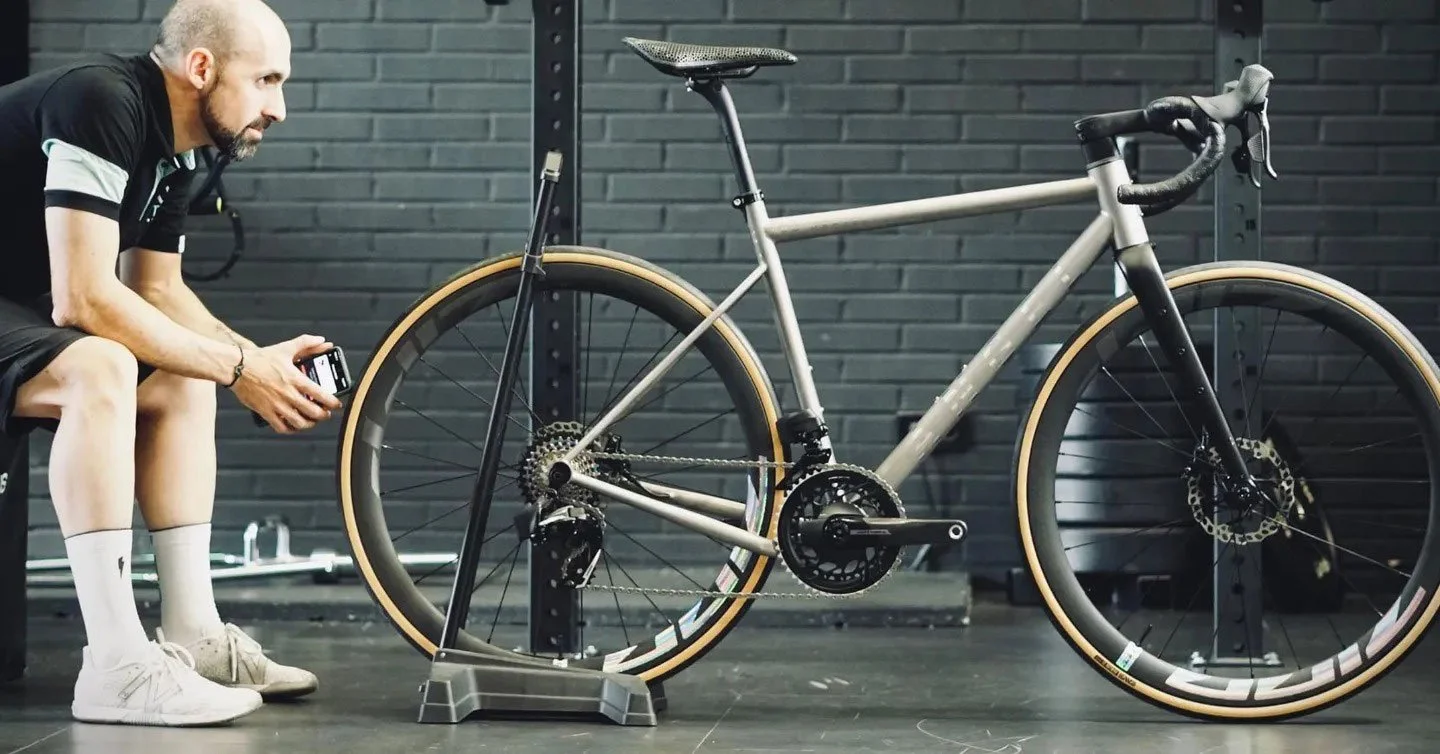
David Noguera is the founder of Watts Lab, one of Spain’s leading performance cycling coaching centres.
After more than fifteen years in the fitness industry, he combined his passion for cycling with a simple belief: training shouldn’t only make you faster — it should make cycling more enjoyable.
Since founding Watts Lab in 2018, David has helped hundreds of cyclists, from ambitious amateurs to elite athletes, discover a smarter way to train. His philosophy is built around long-term consistency, balance and the idea that performance is simply the consequence of enjoying the process.
Because, in the end, the best cyclists aren’t always those who train the most, but those who keep riding for years.
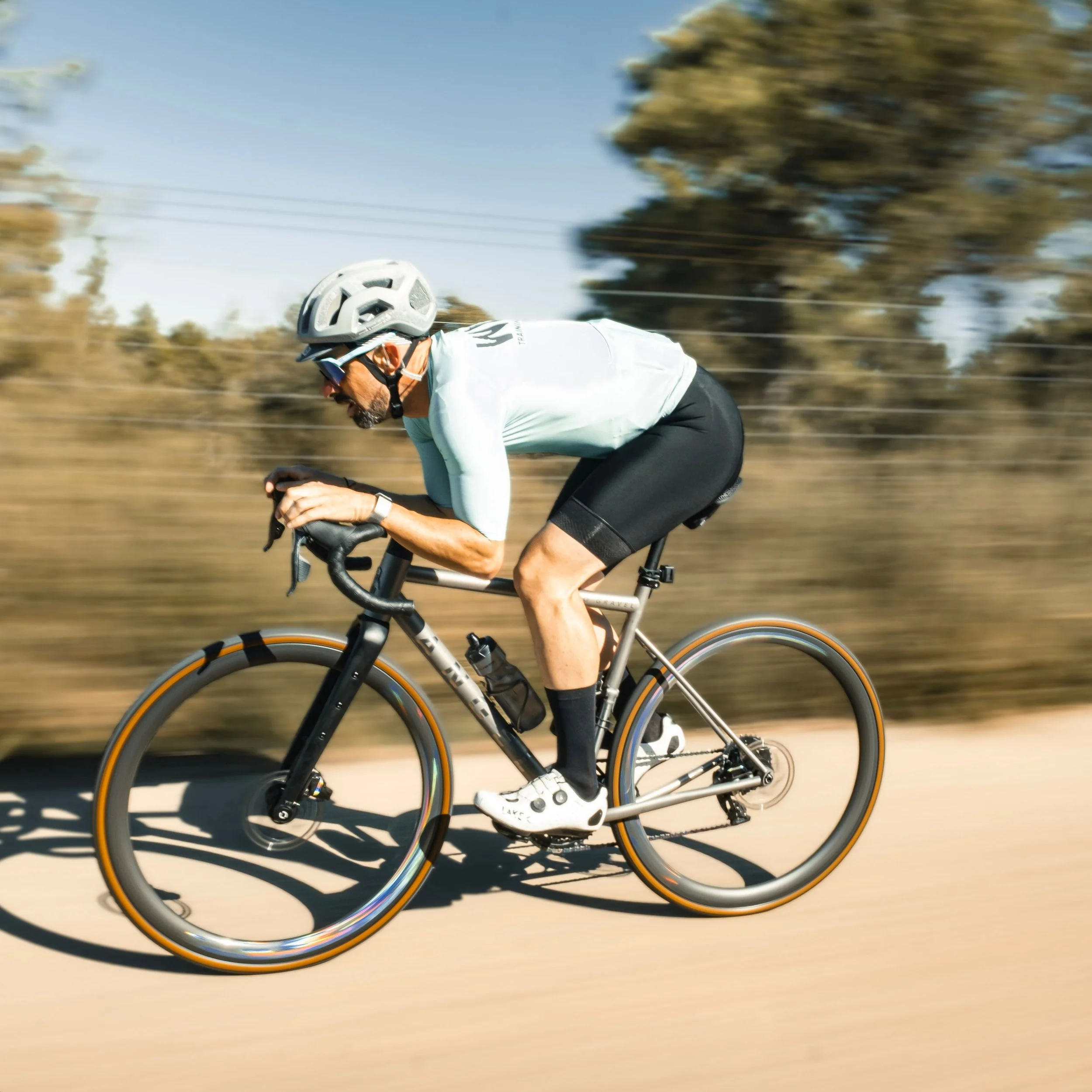
Tell us a little about yourself and the journey that led you to create Watts Lab.
Before founding Watts Lab, I spent fifteen years working in the fitness industry, first as Head of Education and later as a Club Manager. My introduction to cycling came through personal passion: I decided to prepare for the Quebrantahuesos sportive with a friend, and somewhere along the way I realised that what truly hooked me wasn’t just the event itself, but the process of training for it.
That experience completely changed the way I saw cycling, and I wanted other people to experience that same transformation. I wanted to show that understanding training doesn’t just make you faster—it makes cycling far more enjoyable. That belief became Watts Lab in 2018.
After so many years coaching cyclists, what have you learned about people beyond performance?
I’ve learned that cycling goes far beyond performance. From day one, Watts Lab has never been solely about results; it’s about building culture and community. Training is simply the vehicle—it brings people together and connects very different lifestyles through a shared passion.
What does cycling mean to you today?
Today, cycling is an ecosystem of relationships. It’s where I meet people with whom I share part of my life. On the bike, values are shared and labels disappear—we’re all dressed in lycra, and nobody is more important than anyone else. That makes it possible to meet people for who they really are, without needing to prove anything. It’s one of the most genuine ways to connect with others.
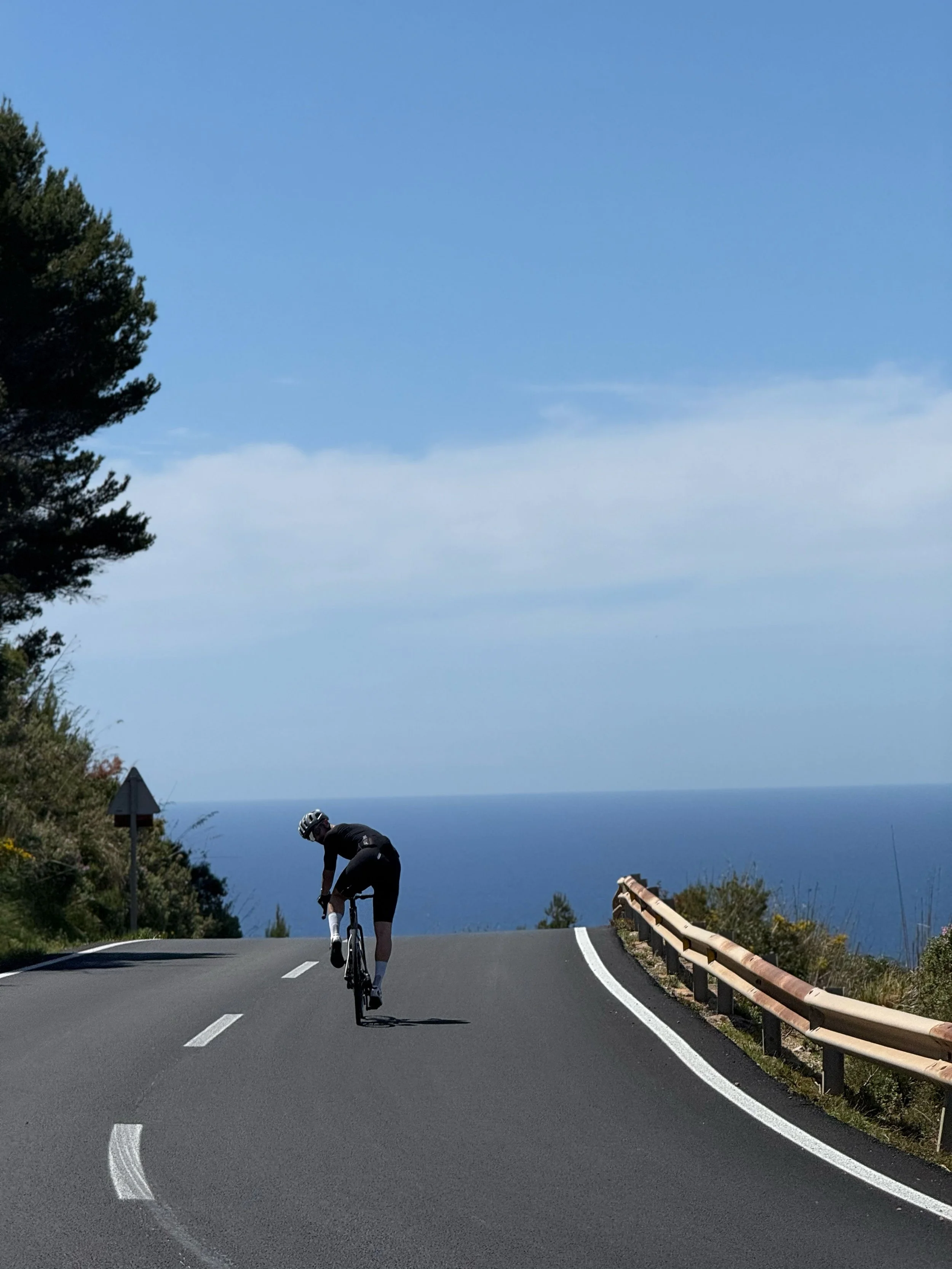
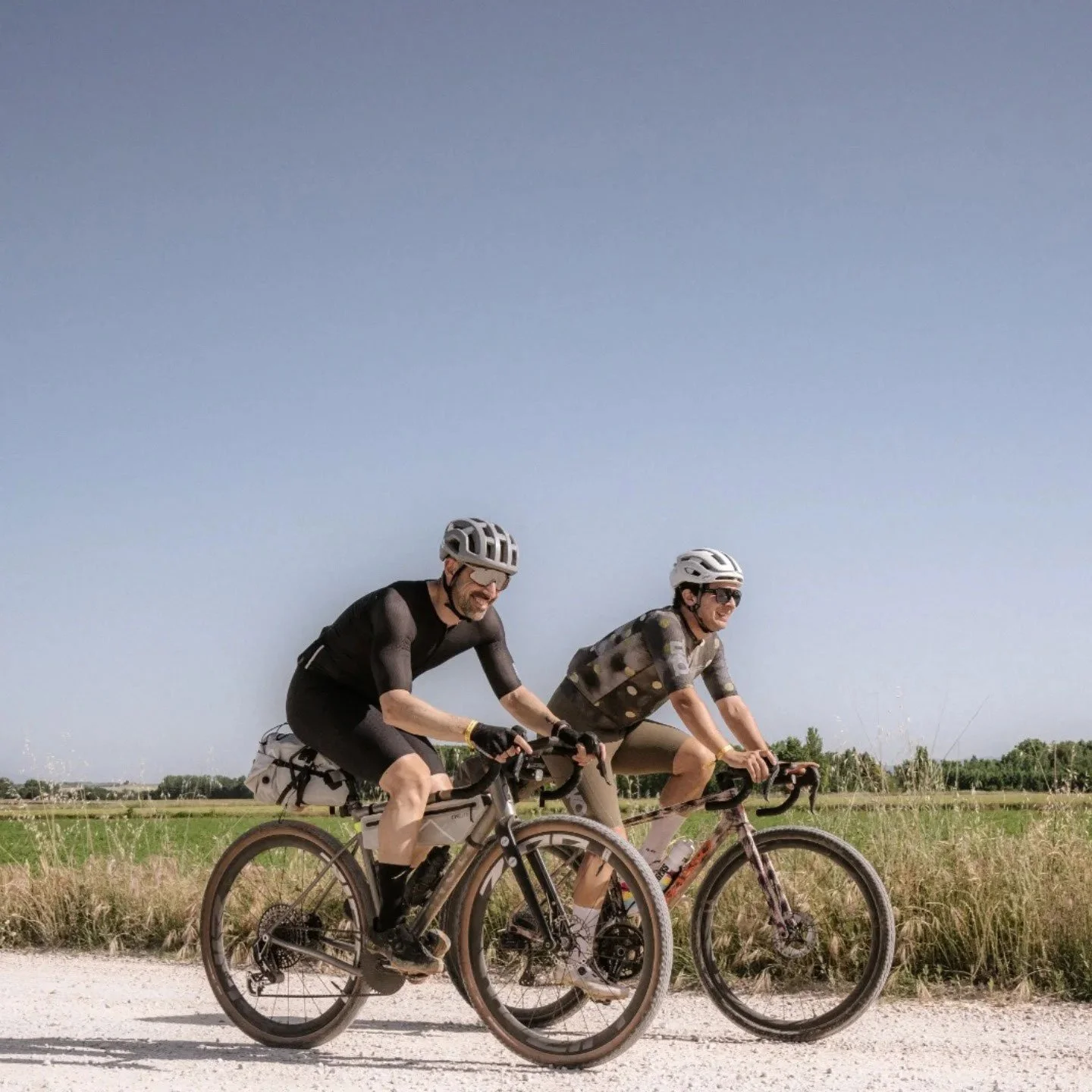
At Watts Lab, you often say: “Training to Enjoy Cycling.” What does that really mean
Our goal isn’t to help people ride faster—that’s simply a consequence, not the objective.
We train because we know that cycling becomes much more enjoyable when you’re fit. You never have to wonder whether you’re capable of joining your friends for a ride or taking on a demanding trip. You simply know your fitness will allow you to do whatever you want on the bike.
Getting there requires preparation and a commitment to becoming a better cyclist year after year.
Many people think training means suffering more. You talk about enjoying cycling more. Why?
Because the process is worth it.
There’s no denying that structured training—intervals, for example—comes with its share of discomfort. But it’s all done with a purpose: to make your weekend rides more enjoyable.
Once you start feeling the difference, everything makes sense. That temporary effort is rewarded many times over.
What mistakes do you see most often among amateur cyclists?
Too much volume.
Many riders simply accumulate kilometres, often at the expense of other areas of life. The real challenge is finding the right balance between training, family and work.
If you could give just one piece of advice to someone who wants to enjoy cycling more, what would it be?
Choose the right goals.
They should be motivating enough to get you off the sofa on a cold Sunday morning, or encourage you to train even when nobody else is riding. But they shouldn’t require you to sacrifice everything else in your life—or leave you wanting to deflate your tyres the moment you’ve achieved them.
Finding that balance between ambitious and achievable goals is essential.
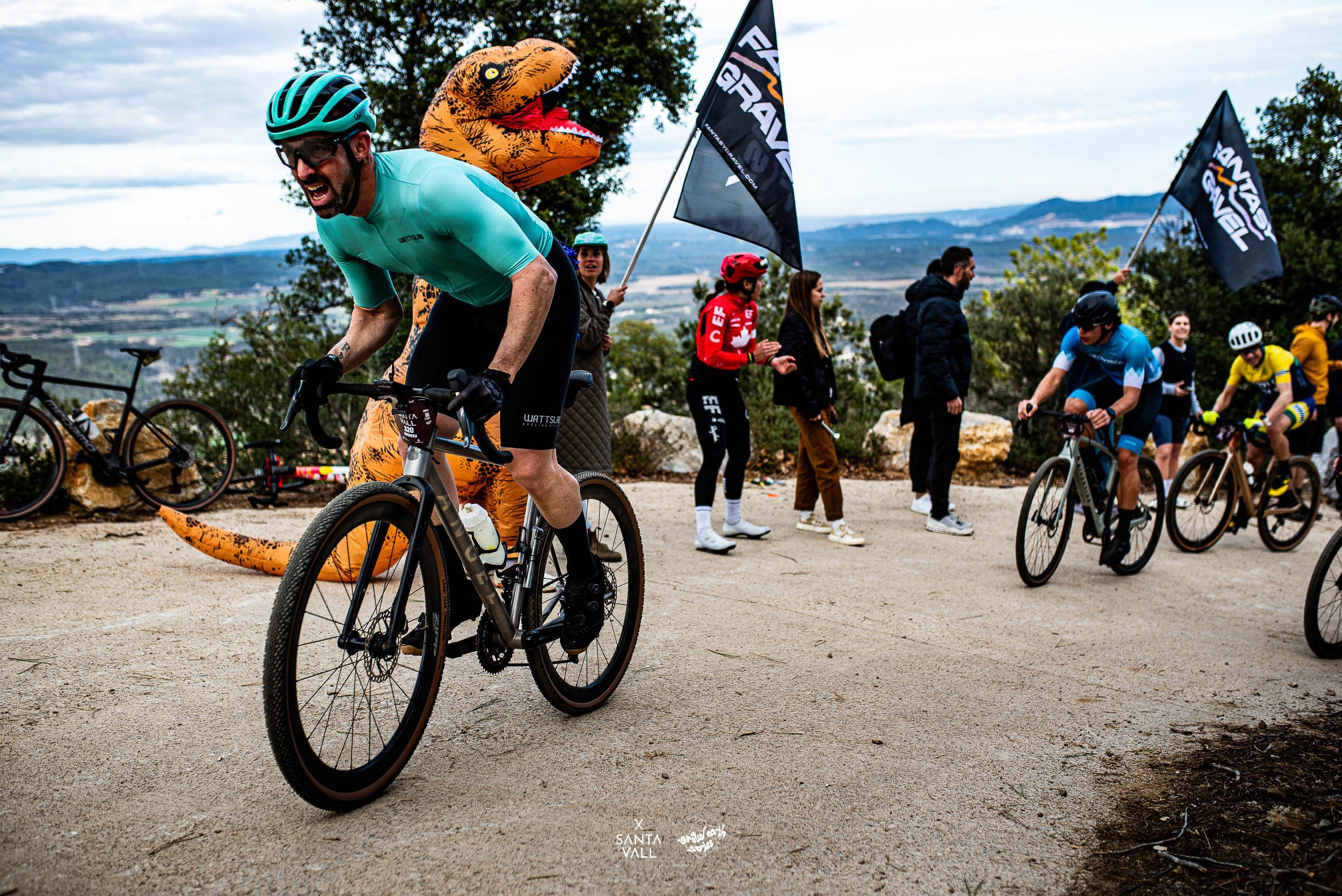
What do you find on a bicycle that you can’t find anywhere else?
I have a slight addiction to the endorphins that come after exercise, and cycling certainly gives me plenty of those.
More importantly, though, a bicycle takes you places a car simply can’t reach—and places that would be difficult to access on foot—starting right from your own front door.
In a way, it’s a form of teleportation.
Which ride has stayed with you the most, and why?
It’s difficult to choose just one.
I’ve done sportives with friends that were unforgettable, and I’ve also completed ultra-distance adventures where I’ve laughed just as much as I’ve suffered, experiencing every possible emotion along the way.
But if I had to choose, I’d say that whenever I have a few free days, I head to the Pyrenees.
Riding through mountains like the Col d’Aubisque or the Tourmalet—roads made famous by the Tour de France—without worrying about pace, simply enjoying the scenery as you climb, is something I don’t think can be matched.
What makes a perfect ride?
Good company, beautiful roads, and—if possible—a stop at a great speciality coffee shop halfway through.
That makes it a perfect day on the bike.
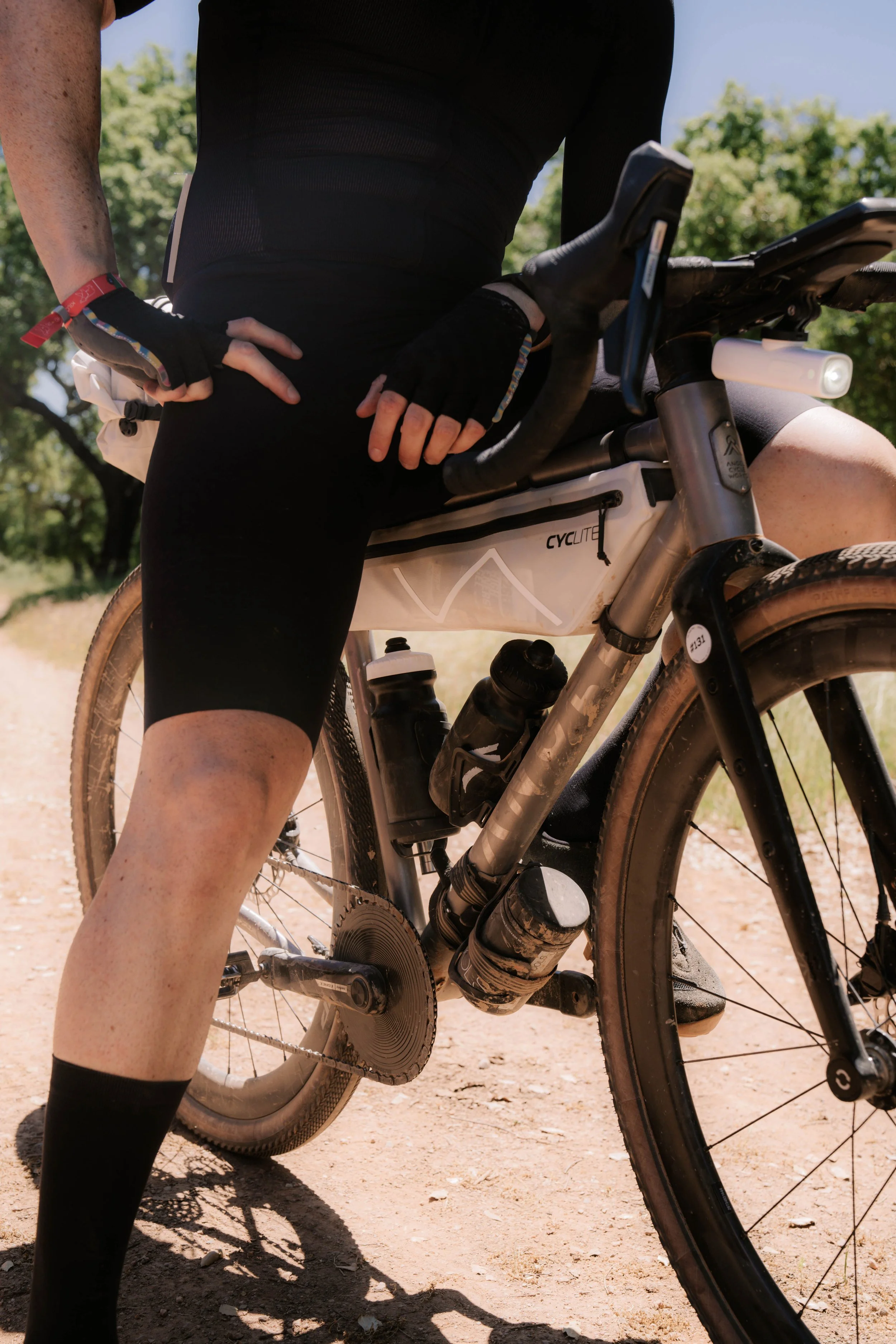
How did you first discover ANGEL Cycle Works?
I met José Ángel and we started training together. It was very much a founder-to-founder connection. We both care so deeply about our respective projects that it was impossible not to admire the incredible craftsmanship behind what he creates with his own hands.
What made you choose a bicycle built by an independent brand?
More than choosing an independent brand, I chose what it represented: a handcrafted titanium bicycle.
For the first time, I was looking for a bike that could stay with me for life—one I could pack into a bike case, fly thousands of kilometres with, and know it would come out exactly as I packed it.
Owning something handcrafted, built exclusively for you by human hands, is something truly special. That’s what makes it different.
What was the first thing you felt when you started riding your ANGEL?
Smoothness.
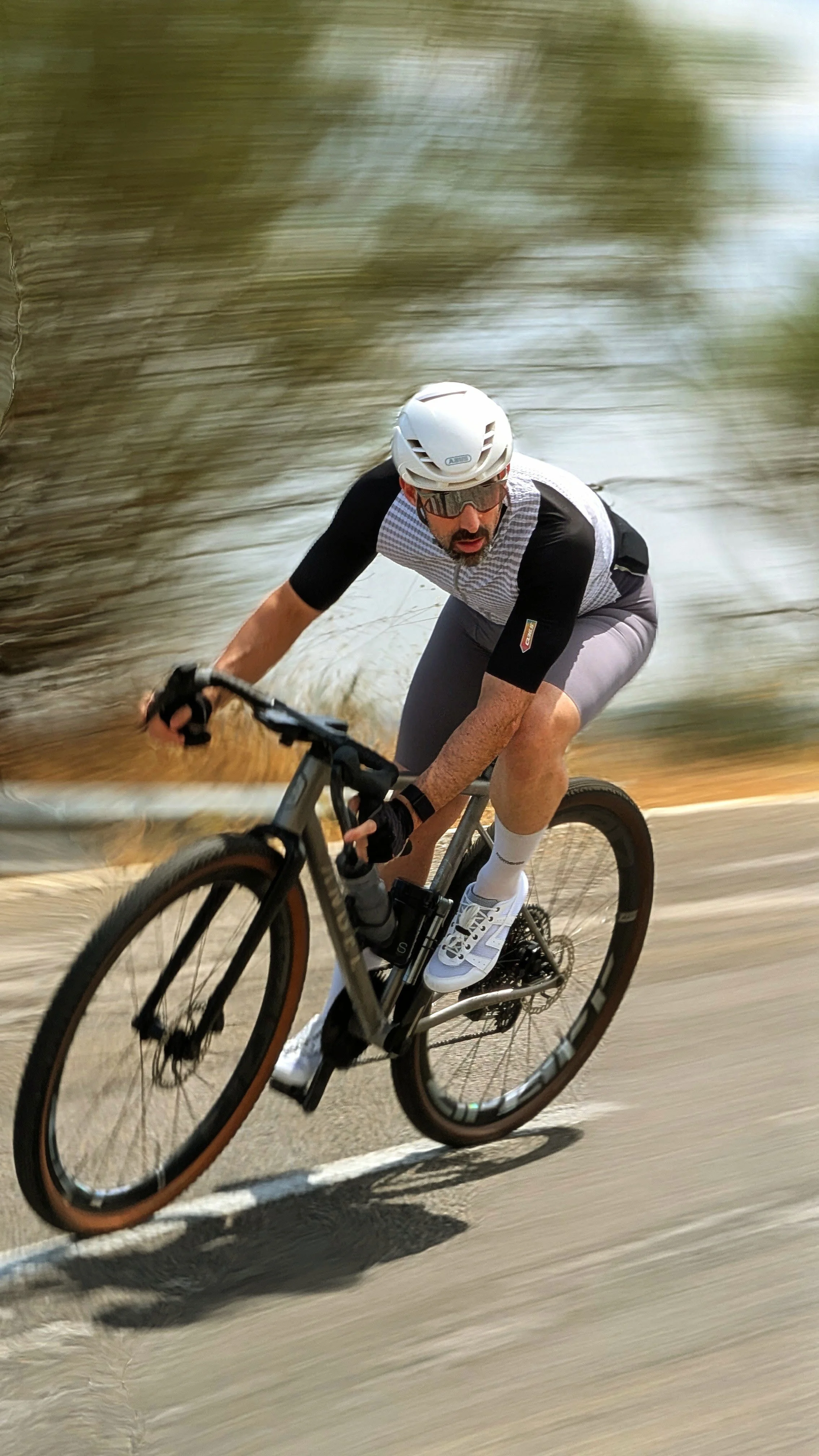
I’m a big fan of wide road tyres, and when you combine that with a tubeless setup and titanium’s natural ability to absorb vibrations, the result is incredibly comfortable.
It almost feels like riding a sofa.
What does an ANGEL offer that you hadn’t found in other bicycles?
I’ll come back to the idea of timelessness.
It’s a bicycle that simply won’t go out of style.
I know that twenty years from now I’ll still look at it with the same excitement, and I’ll still want to take it out for a ride.
OWNERSHIP
At Watts Lab, you talk about building habits that last for years. ANGEL talks about bicycles built to last for decades. Do you think both philosophies have something in common?
I think there’s a romantic side to cycling.
In our world we talk about technology, science and training as disciplines that are constantly evolving. ANGEL works with titanium, one of the noblest materials there is, yet manages to create bicycles that feel completely contemporary.
What both philosophies share is a long-term mindset.
Training becomes a way of life.
Riding becomes a way of life.
Whether you’re improving yourself or building a bicycle, the focus isn’t on today—it’s on the years ahead.
What does it mean to own a bicycle that you know will still be with you in ten or twenty years?
It almost becomes a museum piece.
A choice.
When you wake up on a Sunday morning and decide which bike you feel like riding that day, having an ANGEL among those options feels like a privilege.
If your ANGEL could represent a chapter of your life, which one would it be?
I’d say maturity.
When people see you riding a titanium ANGEL, they often ask why—especially when carbon dominates both the market and professional racing.
Choosing titanium requires confidence.
It means understanding that it isn’t a bicycle for everyone, and choosing it because of what it means to you, not because of what it says to everyone else.
QUICK FIRE QUESTIONS
Indoor trainer or open road? The road, without question.
Long mountain pass or punchy climbs?
Long climbs when I’m alone. Punchy climbs when I’m riding with friends and there’s a bit of friendly competition.
Power or feel? Power.
Coffee before or after the ride? Both.
One ride you’d recommend to anyone?
The one that gets you out of bed on a cold Sunday morning when you’d rather stay home.
A book about sport? Open, by André Agassi.
A cyclist who inspires you? Wout van Aert.
One word that defines your approach to cycling? Self-awareness.